-
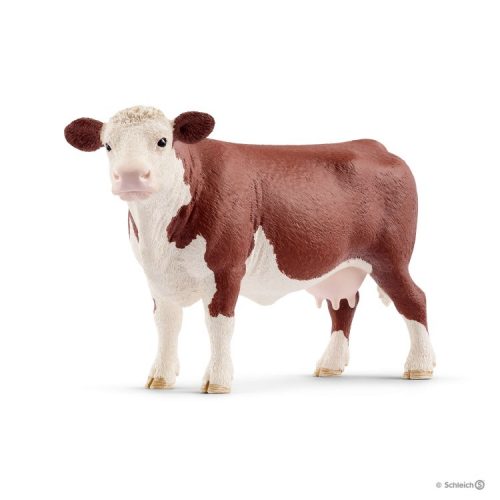
SCHLEICH #13867 HEREFORD COW
Figure is 5.7"x 2"x 3" PERFECT FOR YOUR G SCALE LAYOUT SCENES FOR FARM, BY RIVERS, BARNS, PASTURES, ETC... 2018 Toy Figurine Hereford cattle come from the English county of Herefordshire, where they have been bred since the 17th century. They are extremely good-natured and undemanding animals. Since they can survive in almost any climatic conditions, they are now bred throughout the world, from Australia to Argentina. -

SCHLEICH #13874 BRAUNVIEH COW
Figure is 5.3"x 1.6"x 3.2" PERFECT FOR YOUR G SCALE LAYOUT SCENES FOR FARM, BY RIVERS, BARNS, PASTURES, ETC... Toy Figurine Braunvieh cows are a domestic cattle breed that originated in Switzerland. They have been reared in the Alpine region for many centuries. Braunvieh cattle normally have single-coloured brown or grey coats, beautifully intermingled with different shades, and a black muzzle ringed with lighter fur. Although they are very muscular, their appearance is refined and graceful. -

SCHLEICH #14729 TIGER
Figure is 5.1"x 1.2"x 2.4" PERFECT FOR YOUR G SCALE LAYOUT FOR MOUNTAIN SCENES, BY RIVERS, BY A SWAMP, IN A CIRCUS, IN A ZOO, IN GRASSLANDS, IN A RAINFOREST SCENE, ETC... 2015 Toy Figurine The Siberian tiger is the largest big cat in the world and can grow up to three meters long from its nose to the tip of its tail. The tiger´s stripes are as varied and unique as fingerprints. Even the skin underneath is striped. At first glance, the striking pattern hardly seems to be beneficial. When the tiger goes hunting in the twilight, it is however perfectly camouflaged with the stripes. They appear as tall grass moving in the wind or like fleeting shadows. Unlike many other cats the tiger swims well and likes it, too. Therefore, the water is not a safe place for many prey animals. Fun Fact: Tigers purr, just like domestic cats – but 100 times louder. -

SCHLEICH #14731 WHITE TIGER
Figure is 5.1"x .1.2"x 2.4" PERFECT FOR YOUR G SCALE LAYOUT FOR MOUNTAIN SCENES, BY RIVERS, IN A CIRCUS, IN A ZOO, IN GRASSLANDS, IN A RAINFOREST SCENE, ETC... 2015 Toy Figurine White tigers are not true albinos: real albinos have red eyes, but white tigers´ eyes are blue. White tigers are breathtakingly beautiful. They have a snow-white fur and strong, bright blue eyes. They differ from normal tigers because fur, skin and eyes cannot form red and yellow pigments. However, they are not albinos, for those always have red eyes. White tigers usually live in zoos because in the wild they would have little chance of survival. Because their fur is missing the camouflage, prey would discover them quickly and run away. Fun Fact: Only one in 10,000 tiger cubs is white. -
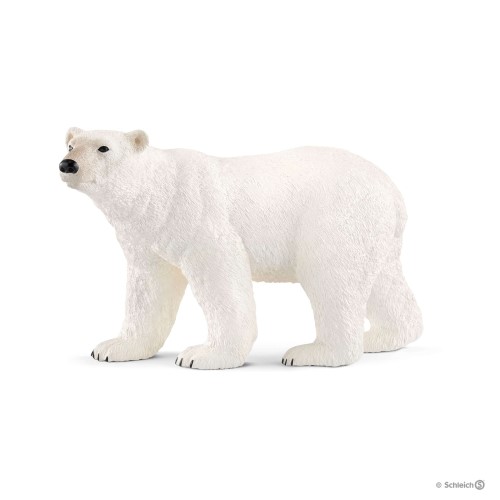
SCHLEICH #14800 POLAR BEAR
Figure is 4.1"x 2.2"x 3" PERFECT FOR YOUR G SCALE LAYOUT FOR MOUNTAIN SCENES, IN THE SNOW, IN AN ARTIC SCENE, IN A ZOO, IN A CHRISTMAS WINTER SCENE, ETC... Toy Figurine The polar bear´s habitat is the Arctic. In winter, the temperature there can drop to -50° Celsius. Although its fur coat appears white, its hair is transparent and hollow on the inside. The air inside these hairs is warmed by the sun, so that polar bears do not freeze even at icy temperatures. -
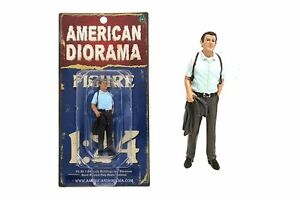
AD #23930 DETECTIVE II FIGURE 1:24
-

AD #23929 DETECTIVE I FIGURE 1:24
-
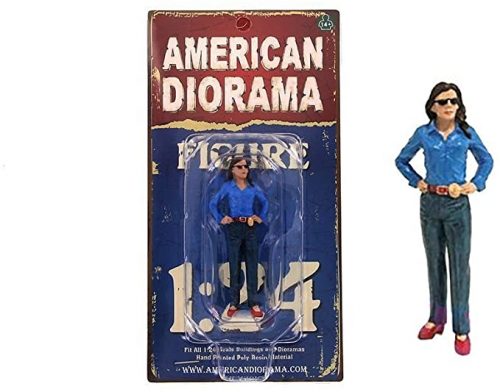
AD #23931 DETECTIVE III FIGURE 1:24
-

AD #23976 TRAILER PARK ONE EYED JACK FIGURE 1:24
-
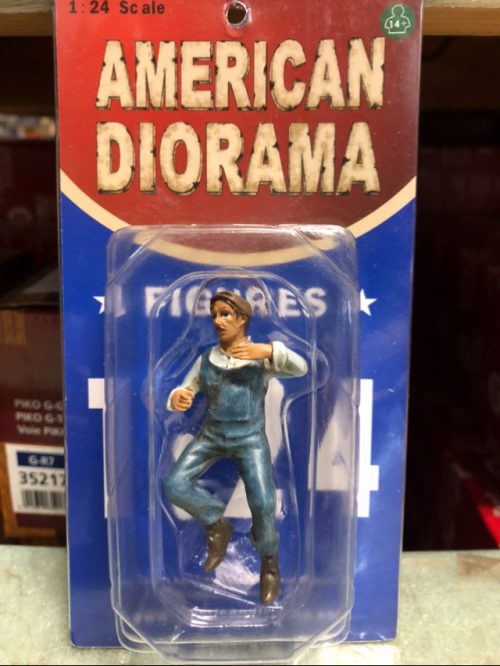
AD #77743 REPAIR MAN (HENRY) FIGURE 1:24
LOOKS GREAT LYING DOWN UNDER A CAR OR TRUCK -
 10260 LGB Insulated Rail Joiners, 4 Pieces
 -

USA #R2093 BLACK METAL WHEEL (1 AXLE)
These are the standard size wheels to fit all USA rolling stock. -

USA #R2090 POLISHED METAL WHEEL (1 AXLE)
These are the standard size wheels to fit all USA rolling stock. -

SCHLEICH #13797 HOLSTEIN COW
Figure is 4.96"x 2.28"x 3.23" PERFECT FOR YOUR G SCALE LAYOUT SCENES FOR FARM, BY RIVERS, BARNS, PASTURES, ETC... 2016 Toy Figurine Cows moo differently in different regions, imitating the dialects of the farmers in their own unique way. Cows show affection by licking each others´ heads, shoulders and backs. If they are separated from their friends, they often get stressed and sad. It´s not difficult for cows to tell each other apart: they have unique voices and scents. In addition, the animals can identify up to 100 faces from their herd and are highly intelligent. Not only can they solve puzzles, but they actually really enjoy them. If they work out how to open a gate with a button, they jump up and down and frolic around. -

SCHLEICH #13801 SIMMENTAL COW
Figure is 5.35"x 1.61"x 3" PERFECT FOR YOUR G SCALE LAYOUT SCENES FOR FARM, BY RIVERS, BARNS, PASTURES, ETC... 2016 Toy Figurine Cows can smell fresh, verdant grass from up to eight kilometres away. Grass is hard to digest. That´s why cows chew an average of 50 times per minute – a total of 30,000 times per day. Even if we humans really make an effort, we generally don´t chew a morsel of food more than 30 times. Cows produce over 150 litres of saliva per day as a result. This makes them very thirsty, so they also drink a lot of water: up to 180 litres per day. This is equivalent to a large bathtub filled to the top. If they are very thirsty, they can even drink 25 litres per minute. -
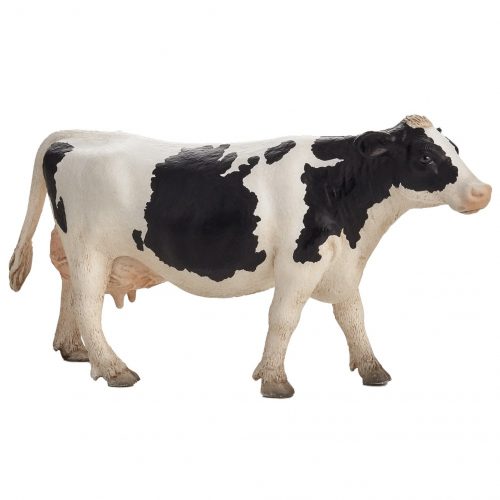
MOJO#0919 HOLSTEIN COW
Figure is 5.75"x 1.5"x 3" PERFECT FOR YOUR G SCALE LAYOUT SCENES FOR FARM, BY RIVERS, BARNS, PASTURES, ETC... Cows moo differently in different regions, imitating the dialects of the farmers in their own unique way. Cows show affection by licking each others´ heads, shoulders and backs. If they are separated from their friends, they often get stressed and sad. It´s not difficult for cows to tell each other apart: they have unique voices and scents. In addition, the animals can identify up to 100 faces from their herd and are highly intelligent. Not only can they solve puzzles, but they actually really enjoy them. If they work out how to open a gate with a button, they jump up and down and frolic around. -
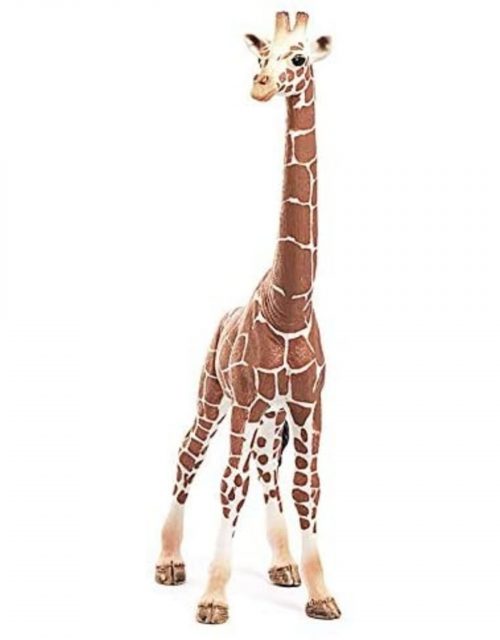
SCHLEICH #14750 GIRAFFE, FEMALE
PERFECT FOR YOUR G SCALE LAYOUT SCENES ON A PLANTATION, NEAR A SAFARI, BY LIONS AND ZEBRAS, AFRICA SCENE, IN A LION KING SCENE, IN A PASTURE, IN A PEN, ETC...Dimensions 3.5 x 1.7 x 6.8 inch (W x D x H)Age Recommendation 3-8 years -

SCHLEICH #14775 ORANGUTAN, FEMALE
PERFECT FOR YOUR G SCALE LAYOUT SCENES IN A ZOO, IN A PEN, IN A TREE, IN A FOREST, ETC...Dimensions 2.6 x 2.3 x 2.2 inch (W x D x H)Age Recommendation 3-8 years -

SCHLEICH #14781 MOOSE BULL
PERFECT FOR YOUR G SCALE LAYOUT SCENES ON A FARM, NEAR THE MOUNTAINS, IN A PASTURE, ETC...Dimensions 4.9 x 2.6 x 4.1 inch (W x D x H)Age Recommendation 3-8 years

